

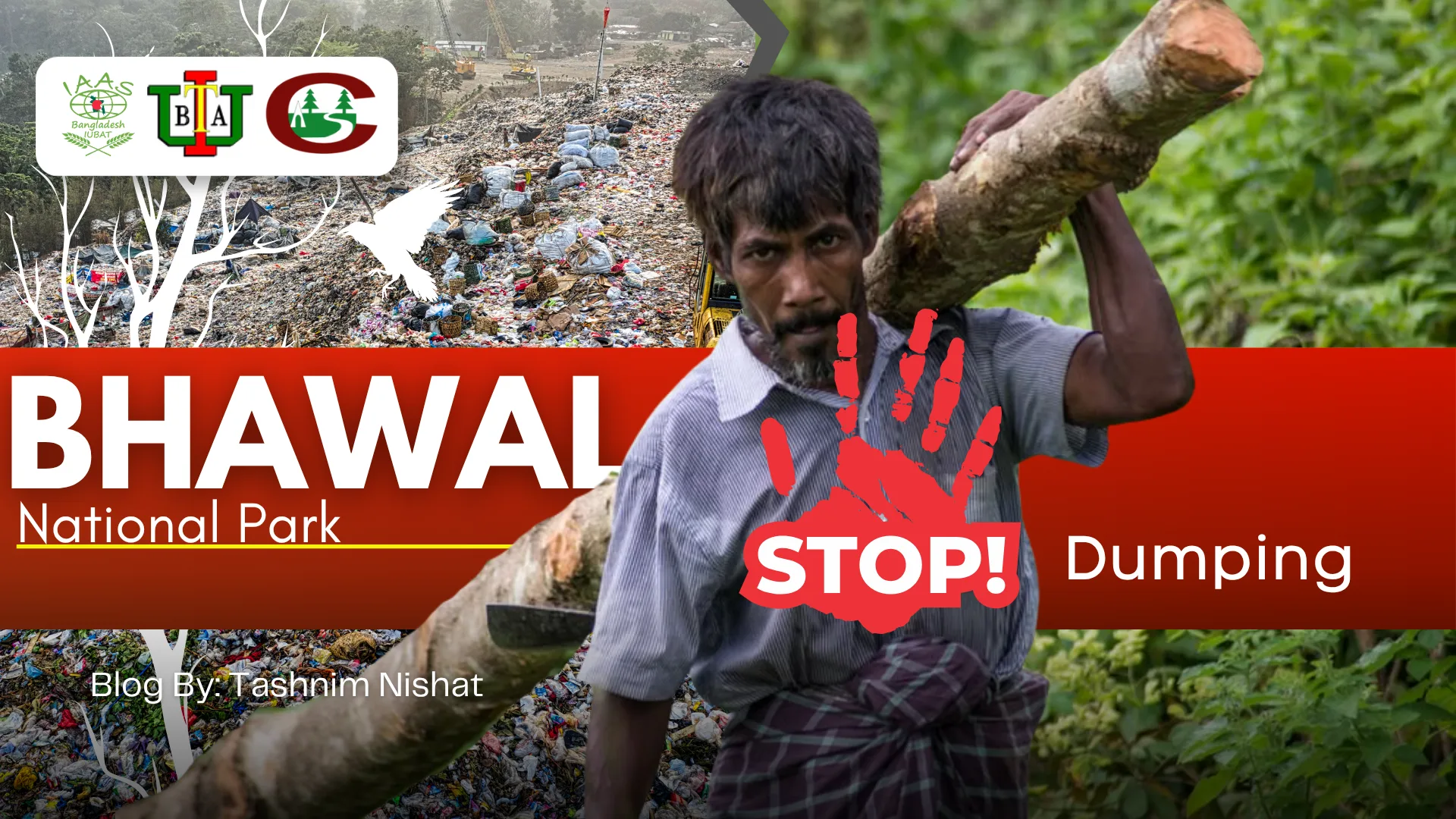
I was born where the red earth of Gazipur meets the ancient silence of the Sal forest, and I grew up beneath the vast, sheltering canopy of Bhawal Garh. Since childhood, the whisper of Gojari leaves, the scent of rain-soaked earth after the first monsoon shower, and the untamed songs of forest birds have been woven into the rhythm of my life.
To me, Bhawal Garh has never been merely a patch of green marked on a map or a tourist destination described in government brochures. It is the landscape of my childhood, the keeper of my memories, and a living part of who I am. That is why watching this sanctuary the very land that nurtured my earliest years—being systematically poisoned and transformed into a municipal dumping ground, seemingly with the tacit approval of those entrusted to protect it, is not simply an environmental tragedy. It is a wound to the place I call home, and one I can neither accept nor remain silent about.
The Heritage and Historical Odyssey of Bhawal Garh
To understand the magnitude of what is being destroyed, one must first grasp the historic and ecological weight of Bhawal Garh. Geologically, this forest is an integral part of the Madhupur Tract, composed of micro-nutrient-rich Pleistocene red clay sediments formed between 1 and 2.5 million years ago. Spanning across Gazipur Sadar, Sreepur, and Kapasia, the forest historically extended over hundreds of thousands of acres, acting as the primary natural shield and ecological regulator for central Bengal.
Historically, the forest was tied to the famous Bhawal Estate, an influential zamindari domain that shaped the culture and administration of the region during the 18th and 19th centuries. It reached global historical fame through the sensational "Bhawal Sannyasi Case," a legal saga surrounding Prince Ramendra Narayan Roy that captured the imagination of courts from Dhaka to London. Beyond courtrooms and royalty, Bhawal Garh lives in the soul of Bengali folklore, literature, and poetry, symbolizing untamed wilderness and timeless resilience.
Recognizing its ecological significance, the state declared 5,022 hectares (12,410 acres) of this land a Reserved Forest under the Forest Act in 1974, officially inaugurating it as Bhawal National Park in 1982. Comprising over 220 species of flora dominated by majestic Sal (Shorea robusta) and accompanied by medicinal plants like Amloki, Haritaki, and Bahera Bhawal Garh has functioned for centuries as the vital "Green Lung" of Greater Dhaka, absorbing massive carbon footprints and purifying the microclimate of our rapidly industrializing region.
The Tragic Decline: What We Have Already Lost
The forest we see today is merely a shadow of its former self. Decades of unbridled industrialization, land-grabbing, and administrative apathy have taken a devastating toll on its rich biodiversity.
Lost Wildlife: Older generations in Gazipur still recall a time when the deep woods echoed with the roars of Royal Bengal Tigers, leopards, and wild elephants. Sambar deer, barking deer, and peacocks roamed freely across these red clay hills. Today, every single one of these species is completely extinct from Bhawal Garh.
Shrinking Sanctuary: What remains is a fragile remnant of fauna about 27 species of mammals including fishing cats, capped langurs, rhesus macaques, and civets, alongside 64 bird species and various reptiles. These surviving animals are hanging on by a thread, squeezed into ever-shrinking pockets of green surrounded by concrete factories and roaring highways.
Instead of nursing this wounded sanctuary back to health, the government and local municipal authorities have decided to deliver what might be its final, lethal blow.
Flora (Plant Species): Updated records identify 202 to 224 plant species across the forest (belonging to roughly 147 genera and 52 families). While Sal (Shorea robusta) dominates, critical native medicinal plants like Amloki, Haritaki, Bahera, and Sorpogondha still persist in fragmented patches.
Mammals: Historically supporting large megafauna (tigers, leopards, and elephants are now locally extinct), recent mammal surveys document 10 to 13 surviving mammal species. Key species hanging on in the core zone include the fishing cat (Prionailurus viverrinus), capped langur (Trachypithecus pileatus), rhesus macaque, barking deer, civets, and jackals.
Birds (Avifauna): Recent avifaunal surveys (including studies published in the Dhaka University Journal of Biological Sciences) show that 115 to 138 bird species have been recorded in the national park area. While common generalists (like the Jungle Babbler, bulbuls, and drongos) remain abundant, deep-forest and sensitive frugivorous birds are rapidly declining due to habitat degradation and waste pollution
Herpetofauna (Reptiles & Amphibians): Surveys report approximately 9 to 10 reptile species (including the cobra, rat snake, and monitor lizards) and 5 to 10 amphibian species, all of which face severe direct mortality risks from chemical toxic leachate runoff.
The Current Crisis: State-Sanctioned Waste Dumping at the Park Entrance
In an appalling act of ecological vandalism, the Gazipur City Corporation (GCC) has initiated the construction and operation of a massive municipal waste dumping site a Secondary Transfer Station (STS) right outside the main entrance and overlapping into the protected boundary of Bhawal National Park.
Despite explicit, written objections from the Forest Department, warning letters from environmental scientists, and protests from civil society, hundreds of tons of untreated, mixed urban waste are being dumped in the open air every single day. This is taking place with the direct knowledge and indirect approval of higher governmental authorities, demonstrating a complete breakdown of administrative ethics and environmental governance.
CURRENT THREAT MATRIX
[ Municipal Waste ] ──► [ Toxic Leachate ] ──► [ Groundwater & Sal Roots ]
│ │
├────────────────► [ Open Consumption ] ─────────────┼──► Wildlife Fatalities
│ │
└────────────────► [ Odor & Pathogens ] ─────────────┴──► Ecotourism Collapse
In-Depth Analysis of the Ecological & Environmental Damage
The establishment of an open waste transfer station inside a protected national park is not just an eyesore; it is an active biological weapon deployed against an ecosystem. The multi-layered damage caused by this decision includes:
1. Severe Soil Toxicity and Root Rot via Toxic Leachate
Mixed municipal waste contains organic decay, heavy metals, industrial sludge, electronic waste, and plastics. When rain falls on open garbage mounds, it creates a highly concentrated, black toxic liquid known as leachate.
Root Destruction: This chemical cocktail seeps directly into the permeable Pleistocene red soil. The deep taproot systems of century-old Sal trees (Shorea robusta), which depend on pristine soil chemistry, absorb this acidic, toxic liquid. As a result, large patches of Sal trees around the perimeter are experiencing severe root rot, foliage yellowing, and premature death.
Groundwater Contamination: Gazipur’s shallow aquifers are directly fed by surface soil filtration. Leachate infiltration is permanently poisoning the underground water table, threatening the drinking water supply of neighboring residential communities and forest ecosystems alike.
2. Wildlife Poisoning and Food Chain Disruption
Deprived of their natural food sources due to forest fragmentation, the surviving wildlife specifically monkeys, capped langurs, fishing cats, jackals, and wild birds are drawn directly to the open garbage heaps at the main gate.
Ingestion of Plastics & Toxins: Animals regularly consume plastic bags, sharp debris, and food scraps contaminated with household chemicals and medical waste. This leads to internal blockages, organ failure, toxicosis, and agonizing death.
Spread of Zoonotic Diseases: Open garbage dumps attract dense populations of stray dogs, rats, and disease vectors. The interaction between domestic strays and wild mammals at the dump site introduces novel pathogens (such as rabies and distemper) into the fragile wild population, risking localized mass extinction events.
3. Complete Collapse of Eco-Tourism and Public Revenue
Bhawal National Park was established to foster environmental awareness, research, and sustainable ecotourism for millions of citizens trapped in the concrete jungle of Dhaka.
Decaying Infrastructure: The main gate once a symbol of natural beauty is now choked with unbearable stench, swarms of flies, and mounds of rotting filth.
Economic Loss: Visitors, researchers, and families are turning away in disgust. This deliberate degradation is destroying the national park's reputation, gutting local eco-tourism livelihoods, and severely bleeding government revenue generated from park entry and cottage rentals.
Security Vacuum: Lawlessness, Logging, and Encroachment
The decision to treat the main entrance of a national park as a trash bin reflects a broader, dangerous mindset: that this protected forest is worthless land. This total lack of administrative respect has created a massive security vacuum inside the park.
Law Enforcement Breakdown: When the state itself refuses to enforce environmental boundaries at the forest's front door, criminals inside the forest operate with total impunity.
Illegal Logging Syndicates: Under the cover of administrative negligence, illegal timber syndicates cut down valuable "Gojari" and "Sal" trees night after night. Mature trees are smuggled out using unchecked regional feeder roads, thinning the canopy density to critical levels.
Land-Grabbing and Commercial Encroachment: Real estate developers, private resort owners, and industrial units are aggressively encroaching on forest land, clearing underbrush, building boundary walls, and converting public wilderness into private profit often with the silent collusion of corrupt local officials.
Unchecked Poaching: Without perimeter fencing, modern security monitoring, or adequate forest guard patrols, poachers enter the core forest zones with ease to trap birds, small mammals, and reptiles for illegal wildlife trading.
Holding the State Accountable: Administrative Failure & Legal Violations
The situation at Bhawal National Park exposes a shocking level of state hypocrisy and administrative lawlessness. The government cannot escape its direct culpability in this crisis.
1. Direct Violation of National Environmental Laws
Under the "Forest Act of 1927 (Amended)" and the "Bangladesh Environment Conservation Act of 1995", Bhawal National Park is a legally protected domain and an Ecologically Critical Area (ECA).
The law explicitly bans any industrial activity, municipal waste dumping, or construction of transfer stations within a designated buffer zone around protected forests.
By allowing the Gazipur City Corporation to build an STS at the park’s entrance, the state is actively breaking its own statutory laws. If a private citizen had dumped trash here, they would face immediate prosecution; when a municipal authority does it, the administration turns a blind eye.
2. Inter-Agency Muscle Power and Institutional Breakdown
The Forest Department the legal custodian of the land has repeatedly voiced strong objections against the dumping site. Yet, the Gazipur City Corporation has used its administrative muscle to override environmental concerns.
This toxic power struggle between two government agencies demonstrates a complete collapse of governance.
Why is the Ministry of Environment, Forest and Climate Change unable or unwilling to stop a city corporation from destroying a national asset? This inaction signals either administrative paralysis or a tacit political endorsement of environmental destruction.
3. Global Climate Pledges vs. Domestic Reality
At international climate summits (such as COP), government delegates routinely request climate funds, boasting about Bangladesh’s commitment to forestry, biodiversity protection, and the UN Sustainable Development Goals (SDGs) specifically "SDG 15 (Life on Land)"and "SDG 13 (Climate Action)".
To preach climate resilience on international stages while converting your own historic national park into an open municipal sewer at home is an act of policy hypocrisy.
Foreign climate grants and lofty speeches mean nothing when the state fails to protect the literal "green lung" sitting right next to its own capital city.
Immediate Demands for Action
To reverse this disaster and restore the integrity of Bhawal National Park, the authorities must act without delay:
Immediate Cessation & Relocation: The Gazipur City Corporation must immediately halt all waste dumping at the main gate and inside the park area, completely remove the existing waste mounds, and relocate the Secondary Transfer Station to an eco-friendly, scientific sanitary landfill located at least 10–15 km away from any forest or wetland buffer zone.
Environmental Remediation:The affected soil and surface water areas surrounding the park entrance must undergo biological decontamination and soil treatment to neutralize chemical leachate before root rot spreads deeper into the Sal canopy.
Institutional Security & Boundary Fencing: The Ministry of Environment must construct a secure, monitored perimeter wall around vulnerable sections of the national park, equip forest guards with modern patrol assets, and install 24/7 CCTV and drone surveillance to eliminate illegal timber smuggling, land-grabbing, and poaching.
Legal Accountability: An independent judicial and environmental inquiry must be launched to hold the public officials who authorized this illegal waste site personally accountable under national environmental protection laws.
A Final Warning: History Will Not Forgive This Silence
I speak today not just as an aggrieved citizen, but as a daughter of Gazipur whose childhood was nurtured by this very forest. The Sal trees of Bhawal Garh have stood tall for centuries. They survived colonial exploitation, witnessed our Liberation War, and have quietly cleansed the air we breathe every single day without asking for anything in return.
To poison their roots with municipal garbage, to drive out their last remaining wildlife with chemical sludge, and to stand by silently while local authorities desecrate a national sanctuary is an unpardonable crime against nature, against our history, and against our future generations.
If the government believes it can quietly sacrifice Bhawal National Park on the altar of urban convenience and administrative laziness, it is severely mistaken. You cannot build a prosperous nation on the rotting corpse of its natural heritage.
Clear the waste from Bhawal National Park now, restore its boundaries, and protect its wildlife. If this forest dies under your watch, no amount of rhetoric or concrete infrastructure will ever cleanse your administration of the guilt of having murdered the green heart of Bangladesh!
References & Statutory Citations
I. National Laws & Environmental Statutes
The Forest Act, 1927 (Amended 2000): Section 26 strictly prohibits the dumping of noxious, toxic, or hazardous waste and the clearing of forest soil within designated Reserved Forests.
Bangladesh Environment Conservation Act, 1995 (Amended 2010): Section 5 prohibits any commercial, municipal, or industrial activity within Ecologically Critical Areas (ECAs) that alters soil chemistry, harms native micro-organisms, or threatens local wildlife habitats.
Wildlife (Conservation and Security) Act, 2012: Section 13 & Schedules prohibit unauthorized entry, habitat destruction, pollution, or introducing toxic pollutants into declared National Parks and sanctuaries.
II. Scientific Publications & Institutional Reports
IUCN Bangladesh (2015). Red List of Bangladesh Volume 2: Mammals. IUCN, International Union for Conservation of Nature, Bangladesh Country Office, Dhaka, Bangladesh. (Documents the conservation status, habitat fragmentation, and localized extinction of Sal forest species).
Dhaka University Journal of Biological Sciences (2024). "Unveiling the avian community structure, habitat preference, and conservation concerns in the sal forest of central Bangladesh." DUJBS, 33(1): 1–21. (Provides updated field statistics on the 138 bird species recorded in Bhawal National Park).
Chowdhury, M. S. H., et al. (2009). "Description and Census of Biodiversity in Bhawal National Park, Gazipur, Bangladesh." Journal of Forestry Research, 20(4), 325–331. (Establishes baseline data for tree and wildlife species count in the central Sal tract).
Department of Environment (DoE) & Dhaka North Forest Division Records (Gazipur Circle): Official written objections and administrative memoranda issued by the Wildlife and Nature Conservation Division regarding the illegal Secondary Transfer Station (STS) and encroaching municipal garbage dumps at the park entrance.

Related articles
Sep 01, 2026
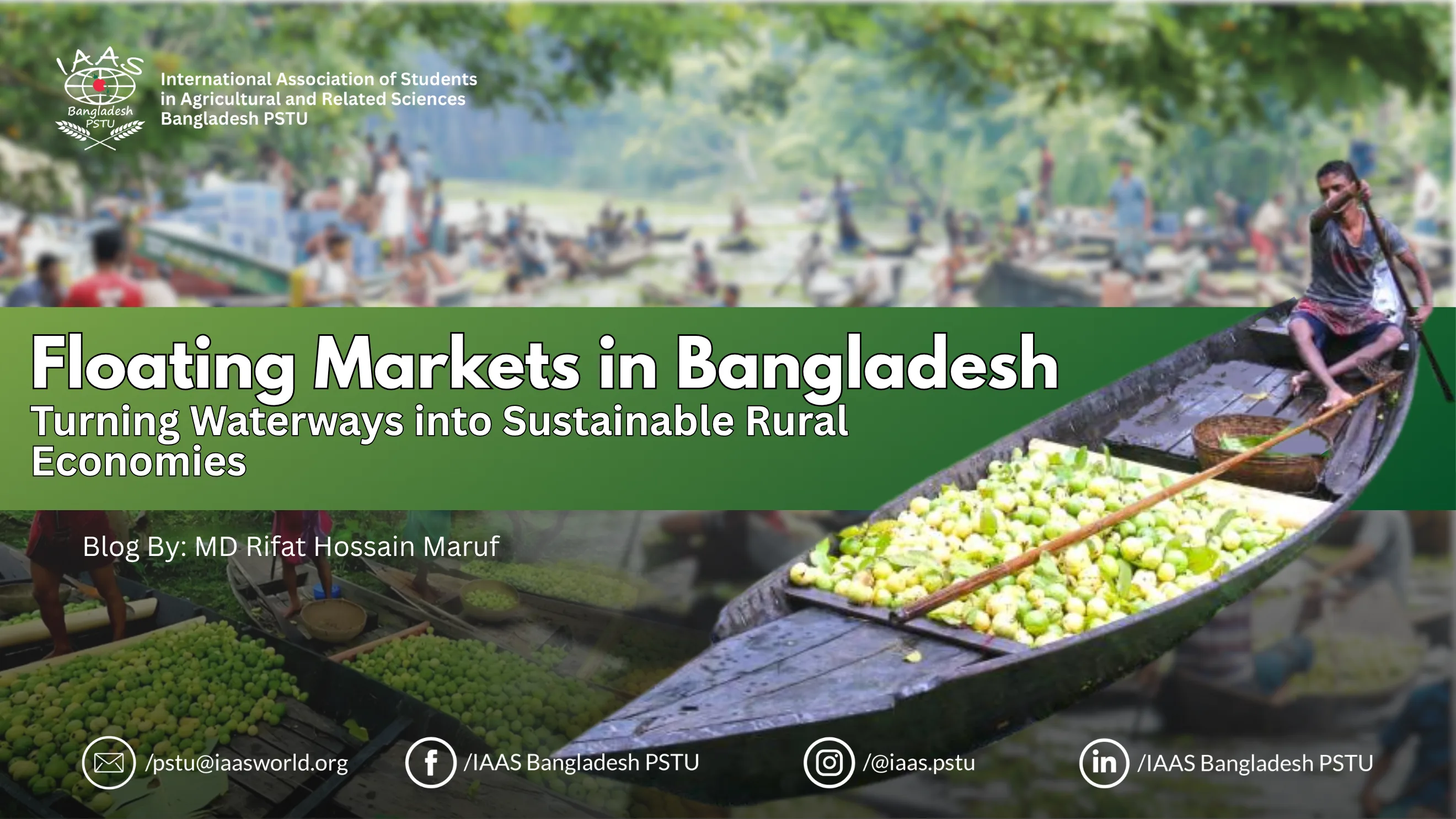
Floating Markets in Bangladesh: Turning Waterways into Sustainable Rural Economics
Imagine setting out on a rainy-season morning and slowly leaving the familiar roads behind, only to find yourself surrou...
Jul 21, 2026
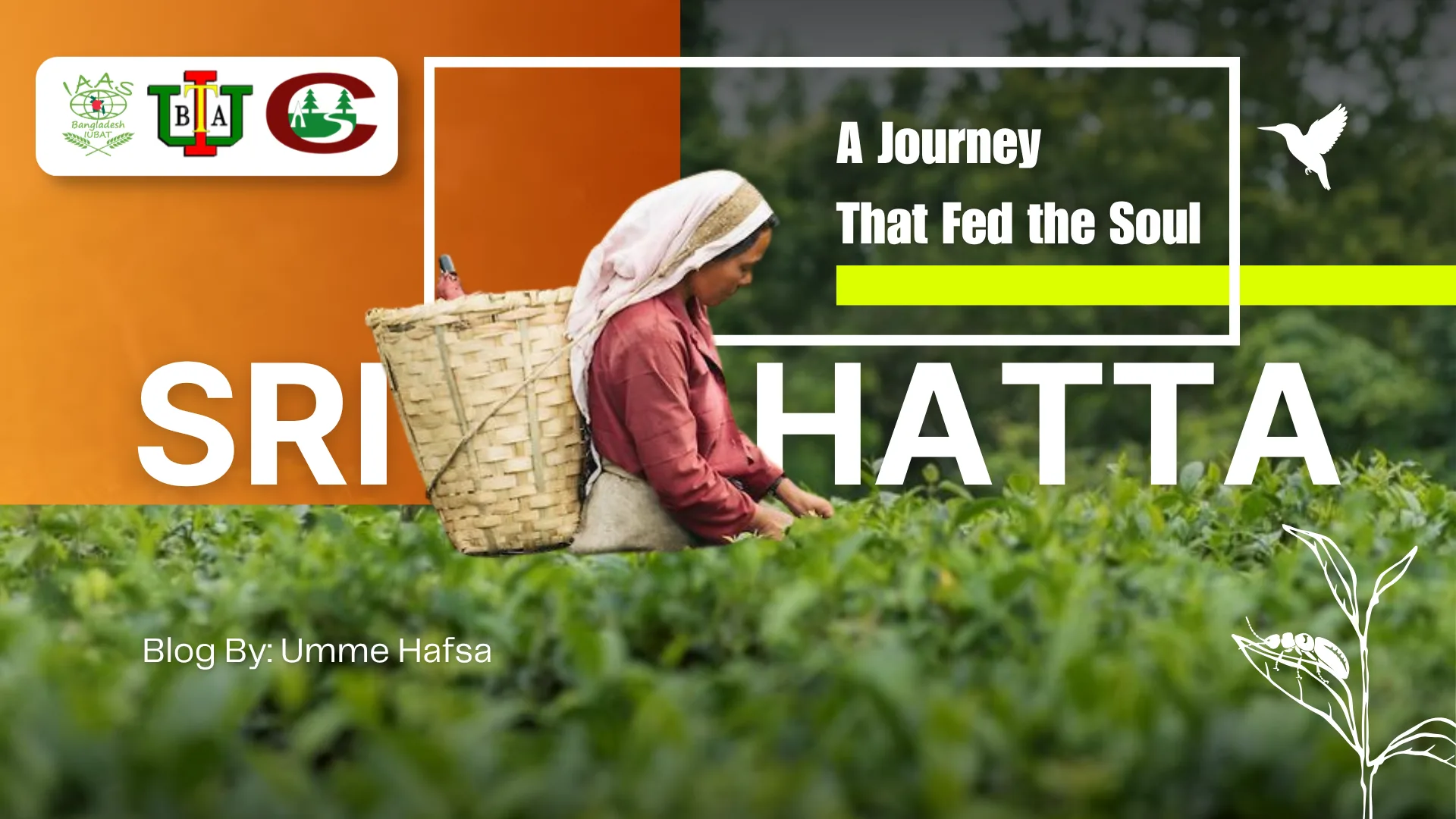
Srihatta: A Journey That Fed the Soul
Some trips are planned. Some trips are needed. This one was both. After a week of lectures, assignments and the particul...
Jun 30, 2026
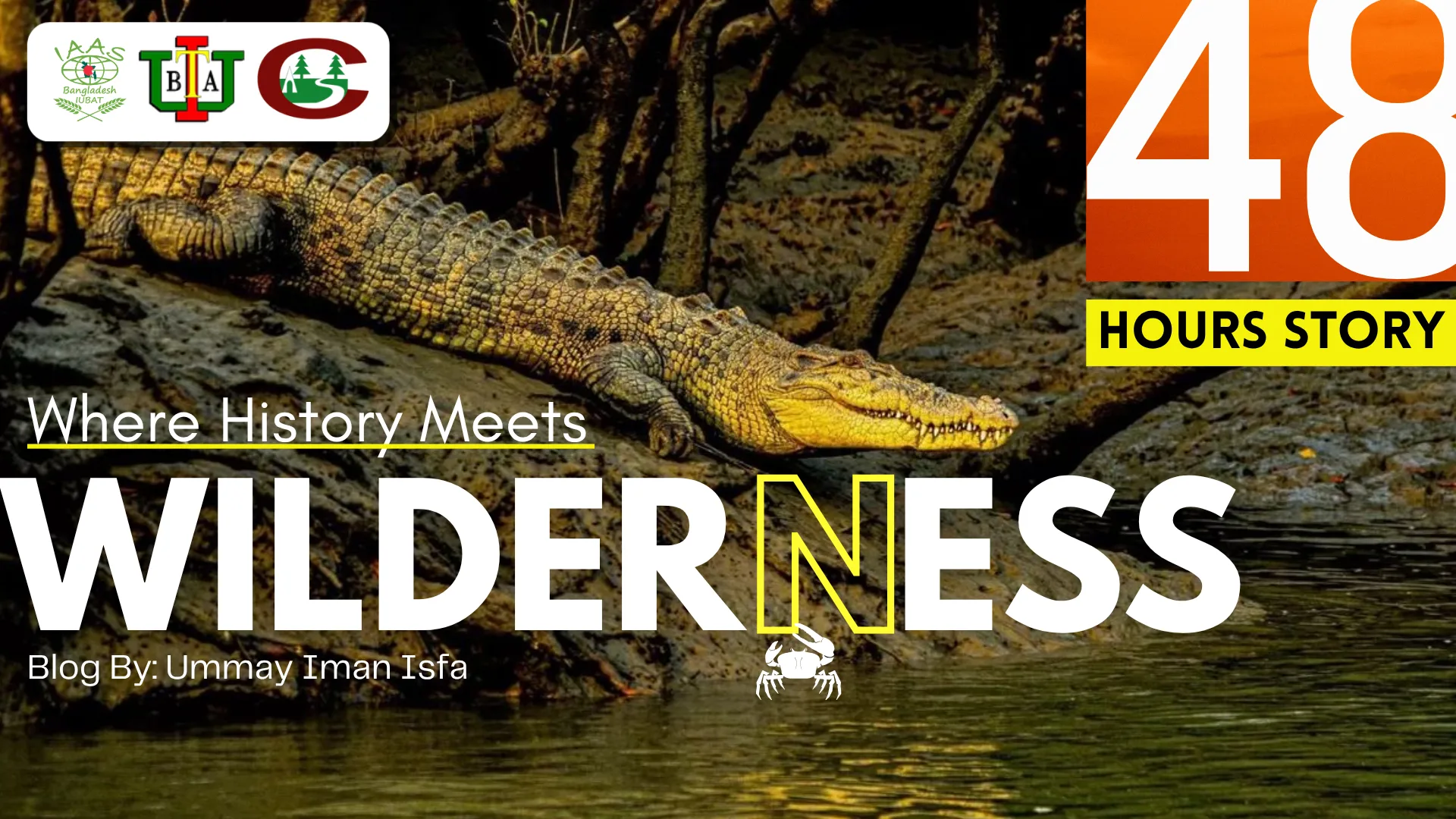
Where History Meets Wilderness: Bagerhat to Karamjol in 48 Hours
On an exhausting day, while I was napping to relieve my fatigue, I got a text from my friend,” Want to go on an educatio...