

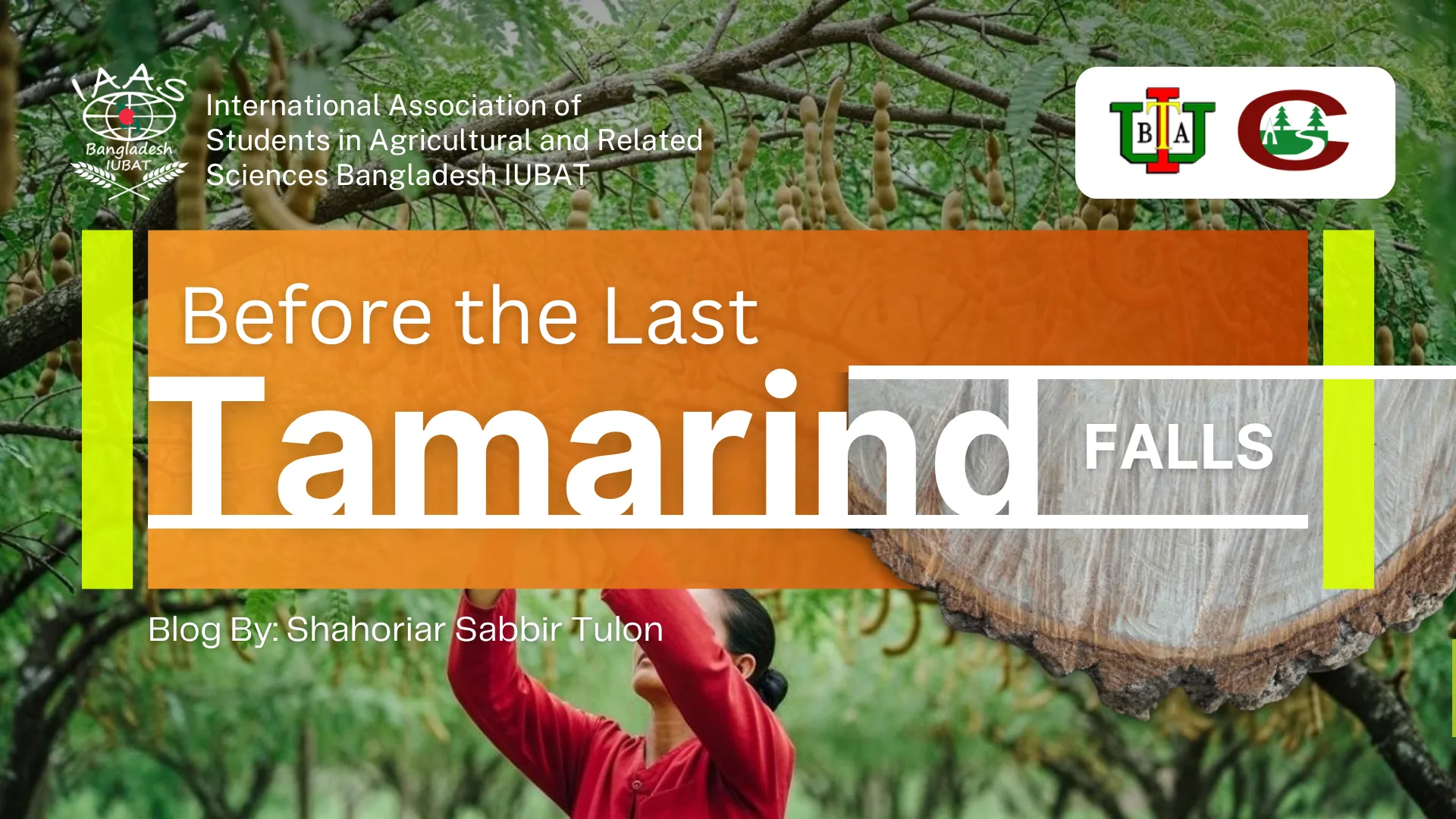
When did you last see a mature tamarind tree?
Not a sapling. Not a young, struggling trunk by the roadside. A real tamarind tree, ancient and wide, its branches spreading like the arms of a grandfather who has sheltered generations beneath him. If you have to think hard to remember, that silence itself is the answer.

Every year, across Bangladesh, millions of Muslims celebrate Qurbani Eid with devotion and sacrifice. But alongside the sacrifice of animals, another quiet sacrifice happens, one nobody talks about. Tamarind trees are felled by thousands, simply to make wooden chopping blocks used for a single afternoon of meat cutting. A tree whose trunk takes 20 to 30 years to become strong enough to cut and can live for over 300 years is felled in one morning, used for one afternoon, and often discarded by evening. Then next year, another falls. And the year after, another.
This is not tradition. This is loss.
The Tree Itself
The Tamarind (Tamarindus inicda) is one of nature's most generous creations a slow-growing, long-lived evergreen reaching 40 to 60 feet in height, growing at just 1 to 3 feet per year, with a trunk density of 900 kg/m³, one of the hardest, most durable tropical hardwoods on earth. Its branches spread wide and dense, creating their own world of cool shade beneath. Given the chance, a tamarind tree survives for over 300 years carrying within its bark the memory of everything that happened around it.
But the tamarind gives far more than shade and wood.
Its fruit is extraordinarily rich in vitamin C, antioxidants, fiber, and potassium, lowering cholesterol, controlling blood pressure, and strengthening digestion. A single mature tree produces up to 160 kg of fruit per year, feeding people, birds and ecosystems alike. Its bark and leaves have served traditional medicine for generations.

What most people do not know is that the tamarind is also an environmental warrior standing quietly at the edge of our fields and villages. Its deep, extensive root system makes it one of the most effective shelterbelt trees in Bangladesh, absorbing the force of storms and cyclones. protecting crops, homes, and communities from wind damage. It fixes nitrogen into the soil, improving fertility naturally. Its fallen leaves decompose rapidly, enriching the earth with organic matter and restoring what years of cultivation take away. In a country battered by climate change and cyclones, the tamarind is not just a fruit tree it is a living shield.
What Islam Saystravelers
The Prophet Muhammad (ﷺ) said:
“If anyone cuts down a lote-tree, Allah will throw him headlong into Hell.”
Abu Dawud explained this means whoever cuts down a useless and unjust shade-giving tree under which travellers and animals take shelter without any right to do so.
A shade-giving tree. A fruit-bearing tree. A home for birds. A shield against storms. The tamarind is all of these. Cutting it needlessly is not just an environmental failure according to Islamic teaching, it is a moral one.
[Sunan Abi Dawud 5239 sunnah.com](https://sunnah.com/abudawud:5239)
The Folklore
In rural Bengal, the tamarind tree carries something else entirely mystery. For centuries, village folklore whispered that spirits dwell beneath its canopy after dark, that cutting its branches invites misfortune. Whether one believes these stories or not, perhaps they served a quiet purpose keeping the trees standing, giving superstition the power to do what wisdom sometimes could not.
The Solution Is Already Here
The answer exists, is affordable, and is already growing beside us.
Rain Tree (Samanea saman) is an excellent alternative for Qurbani chopping blocks. It is a fast-growing tree, far more abundantly available, and its wood serves the purpose perfectly. A tamarind chopping block costs 500 to 900 taka. A Rain Tree block costs just 100 to 200 taka saving money while saving a species that took decades to grow.
Beyond the alternative, two simple actions can change everything. Preserve this year's chopping block store it properly and reuse it for 5 to 7 years. And alongside a Qurbani that costs lakhs, spend just 50 to 100 taka more to plant one tamarind or any tree in your yard, your village, your child's school.
Personal experience

A huge tamarind tree has been standing near my house on the entrance road of my house for ages. The vastness of which I have seen since my childhood., that tamarind tree stood. Its branches stretched wide over the road, offering shade to every person who passed beneath it. Birds built their nests in its arms dozens of them, season after season. The air around it felt different cooler, quieter, alive. On hot summer afternoons, people would stop and rest beneath it without even thinking about it. It was just there. It had always been there.
This year, at Eid, it was cut down.
Sold for just twenty thousand taka. Thirty years of growth, of shade, of birdsong, of cool air exchanged for twenty thousand taka. The morning they cut it, the birds scattered and did not come back. The coolness that used to greet you at the gate simply vanished. And the soil beneath dark, rich, soft from three decades of fallen leaves quietly decomposing into the earth now sits exposed. Every time it rains, that fertile soil washes away down the road. The organic matter, the nitrogen, the life that had built up slowly beneath that tree for thirty years gone with the rainwater, a little more each time.

Twenty thousand taka. That number felt not like a price. It felt like an insult to everything that tree had silently given, for three decades, without ever asking for anything in return. If one tree's loss can feel this heavy imagine what we are doing, silently, across the entire country, every single Eid.
What We Are Really Losing
When a tamarind tree falls, it is not just wood that hits the ground. It is **shade for those who walked beneath it. Nests for birds who trusted it. A storm shield for the village behind it. Nitrogen quietly fed back into the soil. Organic matter that took years to build. A piece of biodiversity that cannot be replaced overnight.
A trunk that took 20 to 30 years to become what it was gone in one afternoon. A tree that could have stood for 300 years cut for a chopping block worth 700 taka. We are not just cutting trees. We are cutting time. We are cutting memory. We are cutting the future's shade before it even grows. The tamarind asks only to be left standing long enough to become what it is meant to be ancient, generous, and irreplaceable.
Plant one. Preserve one. Let one live.
References:
- Sunan Abi Dawud 5239 — [sunnah.com/abudawud:5239](https://sunnah.com/abudawud:5239)
- Tamarind growth & lifespan — [ECHOcommunity.org](https://www.echocommunity.org/en/resources/5822deaa-e38d-47bd-a162-5d0efa379d1d)
- Tamarind timber density & properties — [Wood Database](https://www.wood-database.com/tamarind/)
- Tamarind fruit yield & maturity — [CRFG Fruit Facts](https://www.wagrimes.net/tamarind.html)
- Tamarind as shelterbelt & agroforestry — [Winrock International](https://winrock.org/tamarindus-indica-a-widely-adapted-multipurpose-fruit-tree/)
- Rain Tree information — [Greenverz.com](https://greenverz.com/rain-tree-2/))
- University of Florida IFAS — [gardeningsolutions.ifas.ufl.edu](https://gardeningsolutions.ifas.ufl.edu/plants/edibles/fruits/tamarind.html

Founding Member & Head of Control Board of IAAS Bangladesh IUBAT. Undergraduate Student of Bachelor of Science in Agriculture Collage of Agricultural Sciences, IUBAT-International University of Business Agriculture and Technology, Dhaka, Bangladesh.
Related articles
Sep 01, 2026
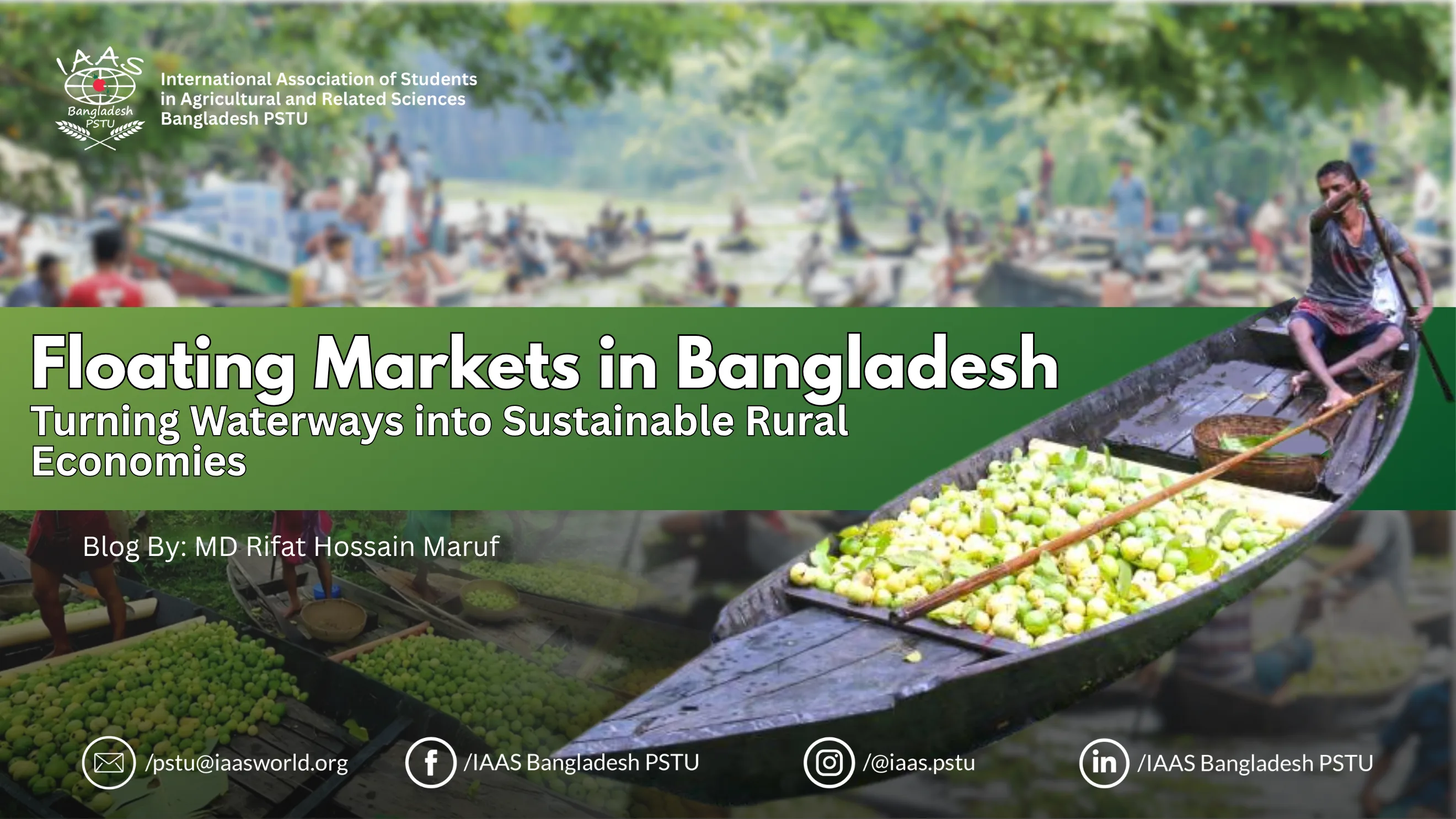
Floating Markets in Bangladesh: Turning Waterways into Sustainable Rural Economics
Imagine setting out on a rainy-season morning and slowly leaving the familiar roads behind, only to find yourself surrou...
Aug 11, 2026
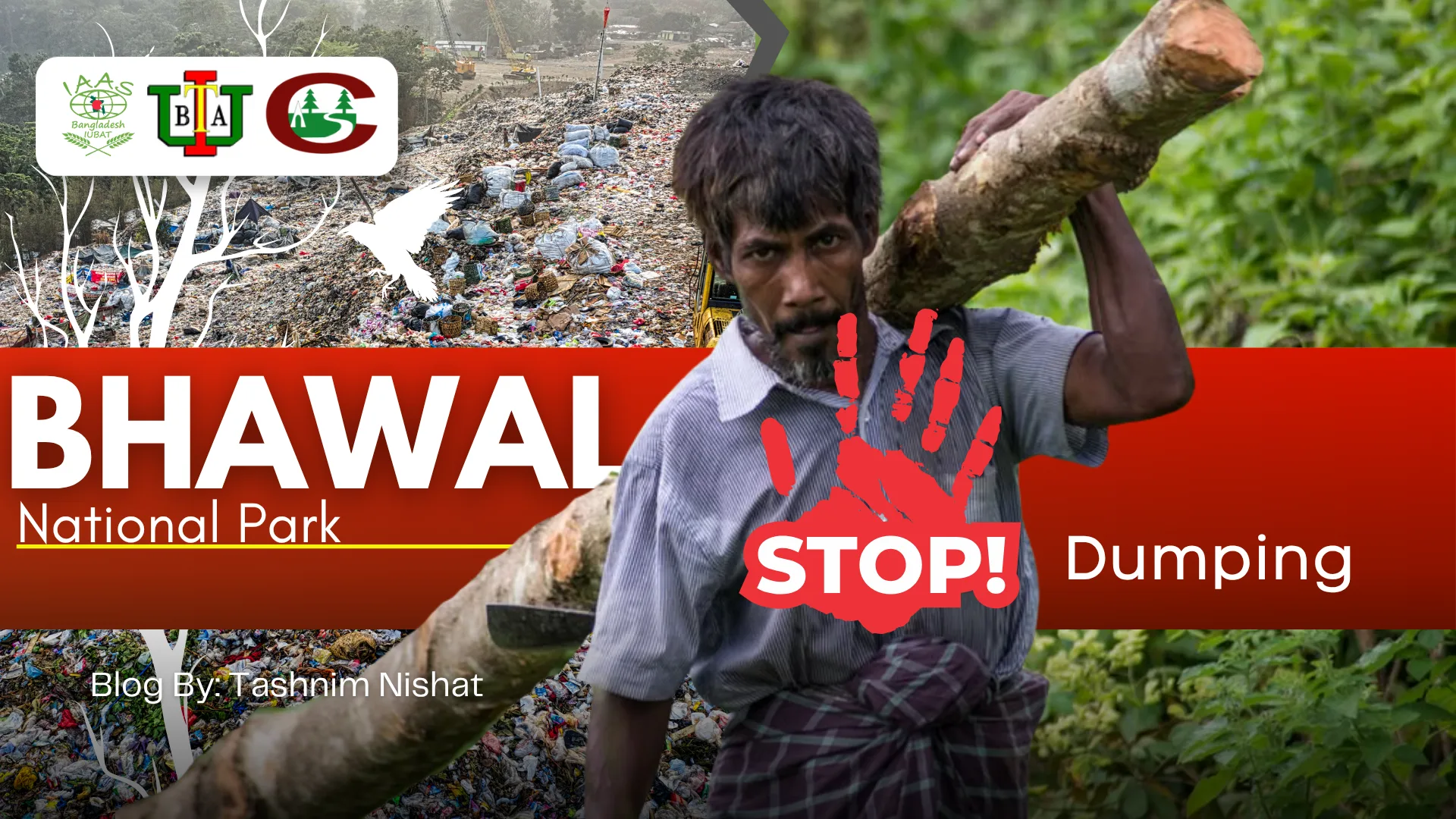
Bhawal’s Cry: From Sacred Forest to Dumping Ground?
I was born where the red earth of Gazipur meets the ancient silence of the Sal forest, and I grew up beneath the vast, s...
Jul 21, 2026
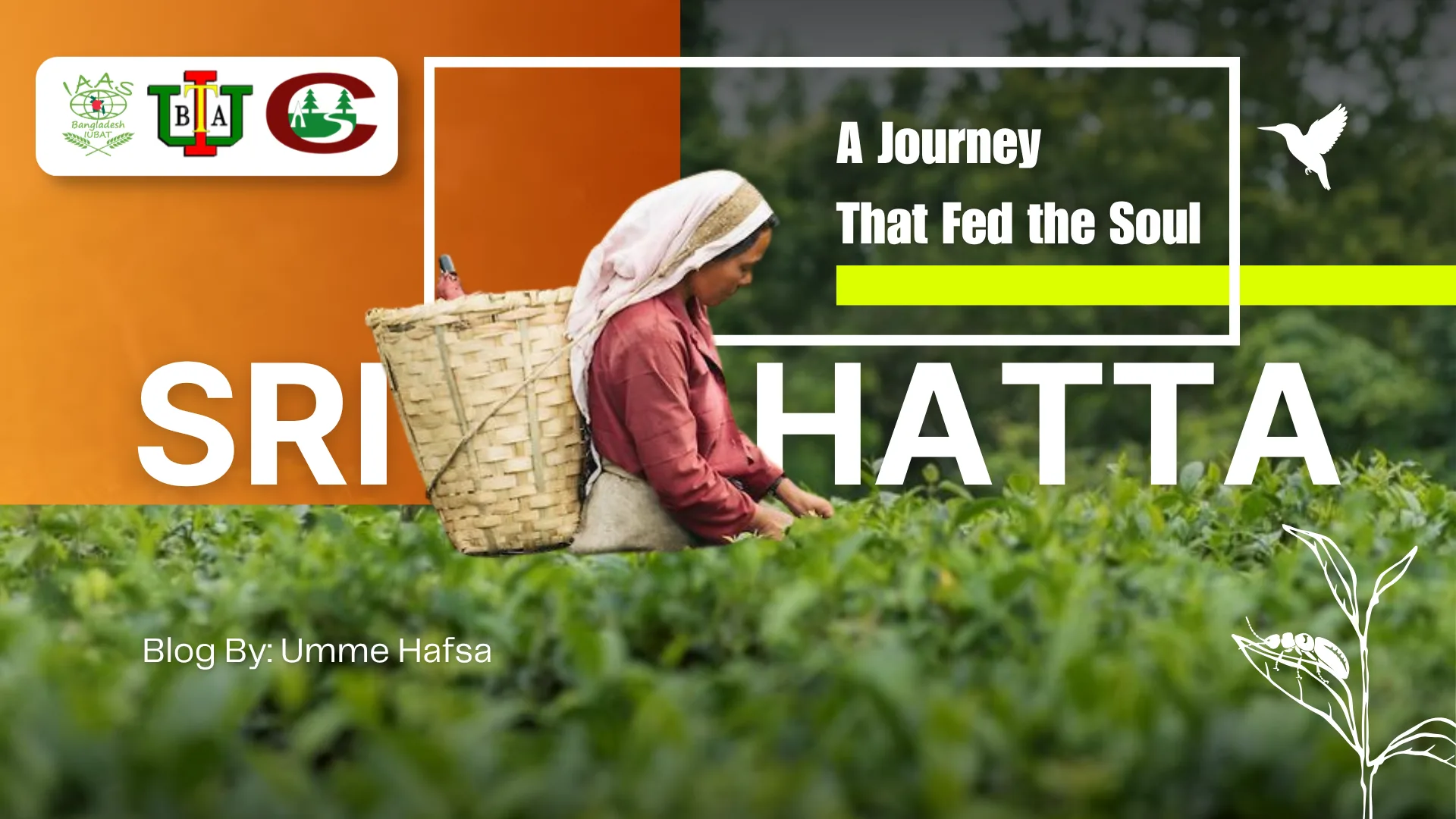
Srihatta: A Journey That Fed the Soul
Some trips are planned. Some trips are needed. This one was both. After a week of lectures, assignments and the particul...