
The Ratnavandar Project is a visionary herbarium and agricultural biodiversity conservation initiative launched by IAAS Bangladesh IUBAT to preserve and document the rich agro-ecological heritage of Bangladesh. The project focuses on the systematic collection of soil samples, weeds, and indigenous crop seeds from all 30 Agro-Ecological Zones (AEZs) of the country. Through this effort, Ratnavandar aims to create a comprehensive repository that reflects the diversity, resilience, and scientific importance of Bangladesh’s agricultural ecosystems.
The initiative serves as both a conservation and educational platform by preserving traditional agricultural knowledge, native crop varieties, and ecological resources that are increasingly threatened by climate change, biodiversity loss, and soil degradation. Ratnavandar is envisioned as a long-term research and educational resource for students, researchers, agriculturists, and environmental professionals, encouraging innovation and sustainable agricultural practices.
The project also emphasizes scientific documentation and interdisciplinary collaboration. By integrating traditional agricultural wisdom with modern research approaches, Ratnavandar contributes to the development of climate-resilient food systems and sustainable farming solutions. The herbarium is designed not only as a database of preserved specimens but also as a living archive that inspires future generations to value and protect Bangladesh’s agricultural legacy.
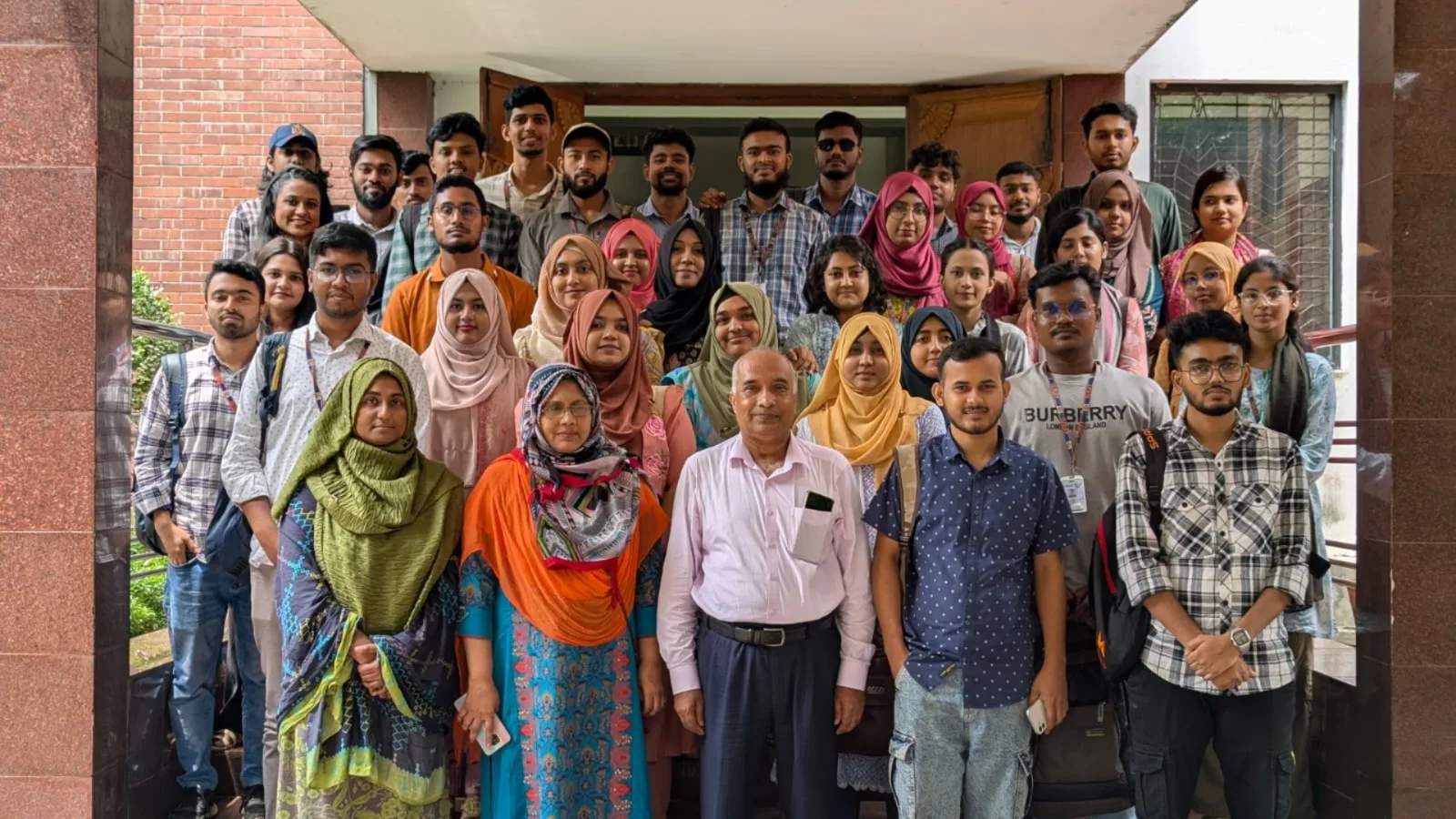
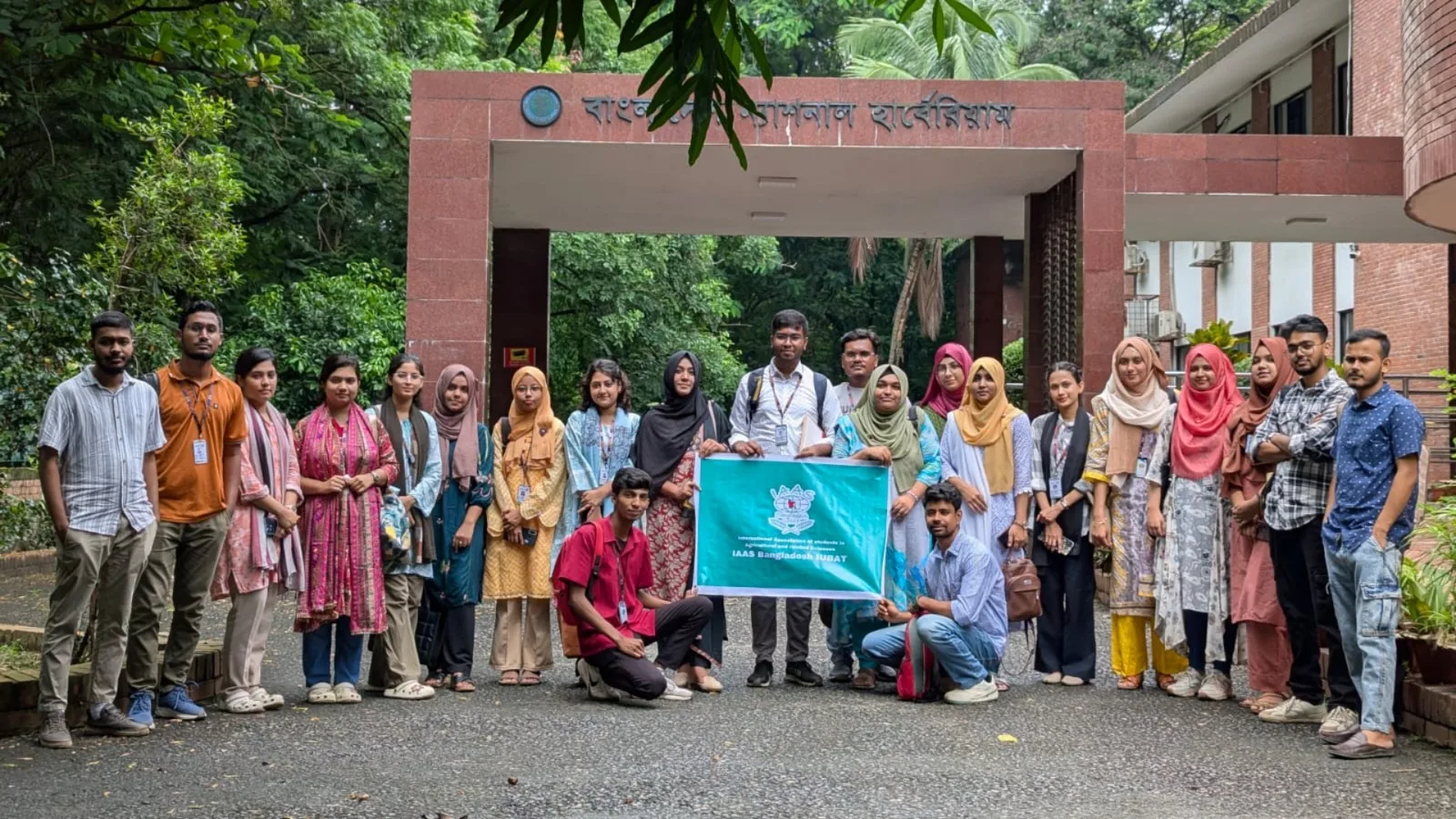
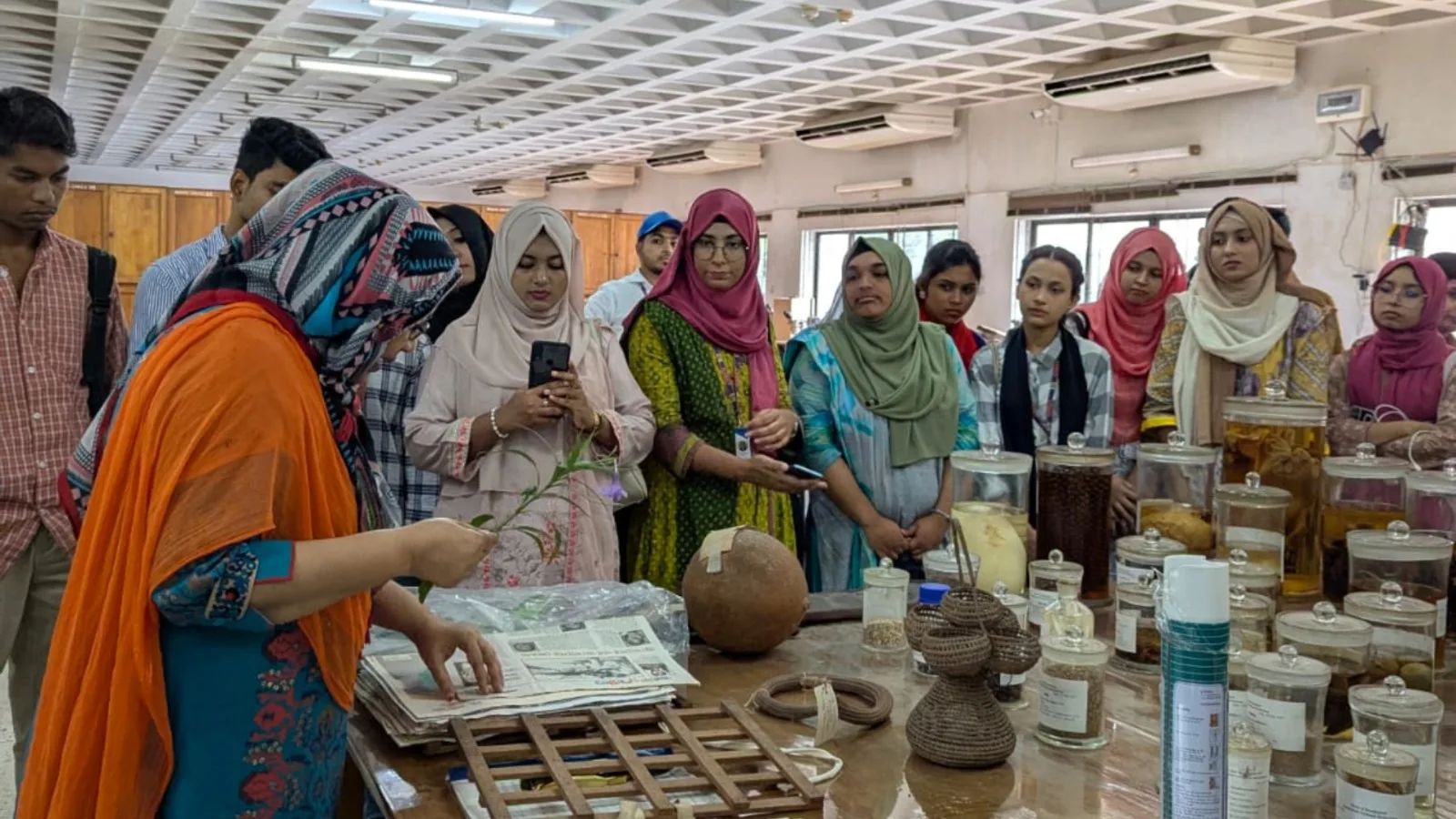
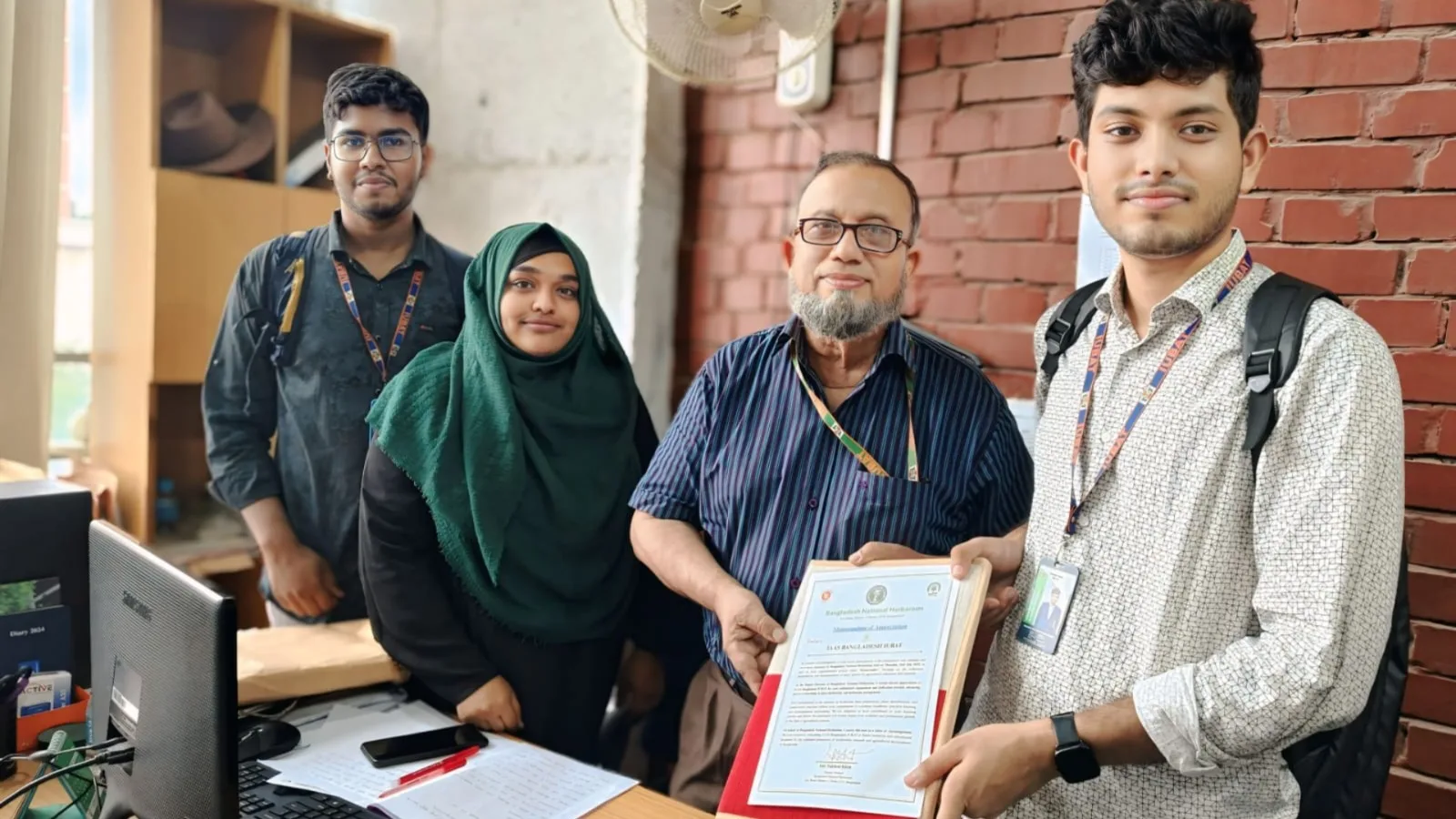
A major milestone of the project was the “Ratnavandar: Bangladesh National Herbarium Educational Workshop,” held on 24 July 2025 at the Bangladesh National Herbarium in Mirpur, Dhaka, with participation from 45 students and young agriculturists. Organized in collaboration with the Bangladesh National Herbarium and the College of Agricultural Sciences, IUBAT, the program focused particularly on the development of the Weed Herbarium segment.
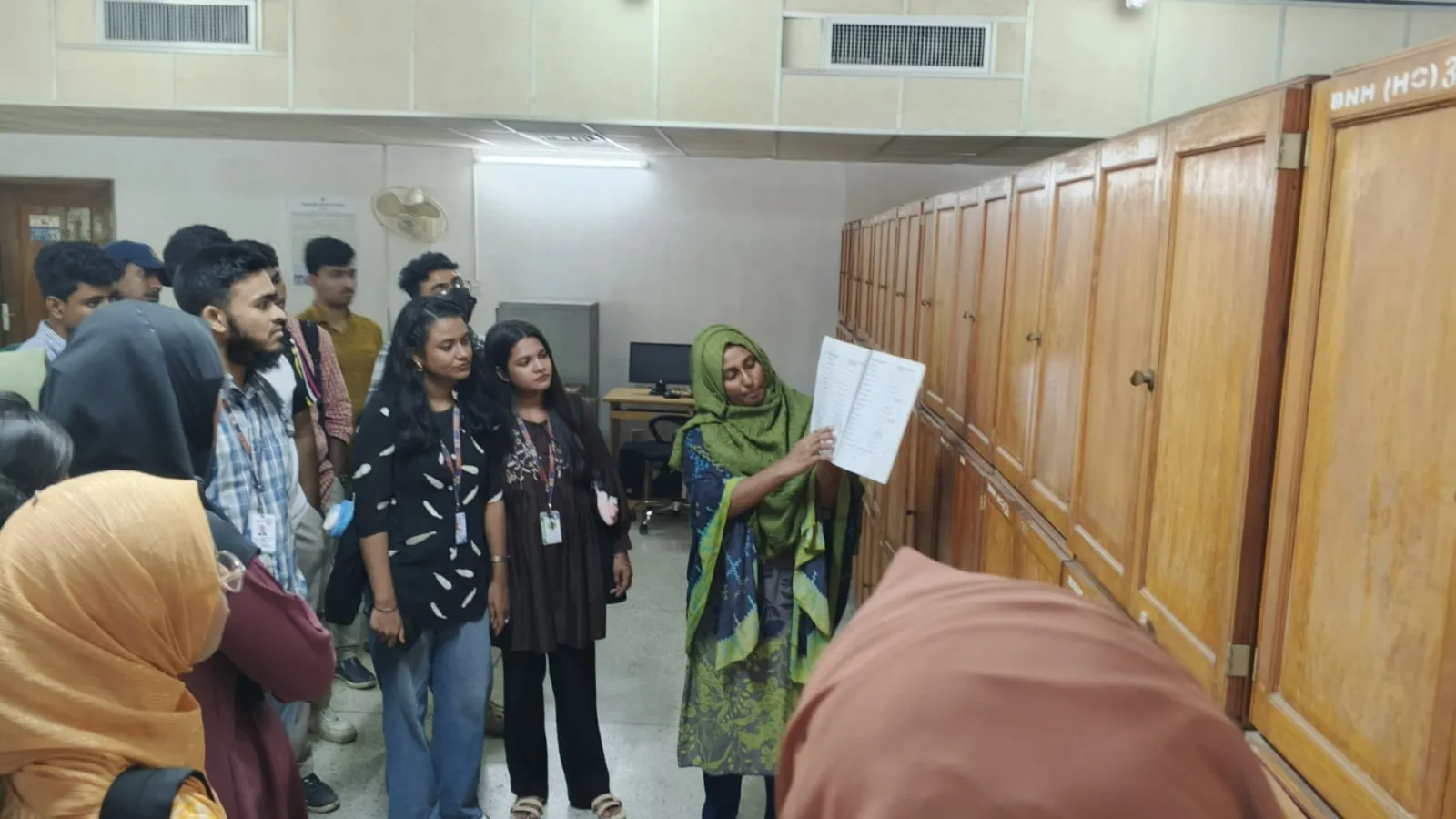
The workshop included a seminar conducted by Sardar Nasir Uddin, Chief Scientific Officer of Bangladesh National Herbarium, who introduced participants to herbarium science and biodiversity conservation. A hands-on technical session on herbarium sheet preparation was facilitated by Dr. Mahbuba Sultana, Senior Scientific Officer, providing practical training in specimen preservation techniques. Participants also explored the Herbarium Museum containing over 25,000 preserved plant specimens under the guidance of Syeda Shahrina Hasin, Scientific Officer.
Objective of the Project:
Preserve Bangladesh’s agricultural biodiversity through systematic collection of soil, weeds, and indigenous seeds.
Develop an educational and research-based herbarium resource for students and agricultural researchers.
Promote ecological awareness and sustainable agricultural practices.
Start Date and End Date:
January 10, 2025 – December 2026
Current Status of the Project:
Ongoing
Partner Organizations:
Bangladesh National Herbarium
College of Agricultural Sciences, IUBAT
SDG Alignment:
SDG 2: Zero Hunger
SDG 13: Climate Action
SDG 15: Life on Land